Case study on the use of a high-mounted agrivoltaic system by mammals – results of a camera trapping survey over a one-year period
Authors: Lara Diekmann, Jennifer Łyko & Felix Zitzmann
https://doi.org/10.63269/SJL6015
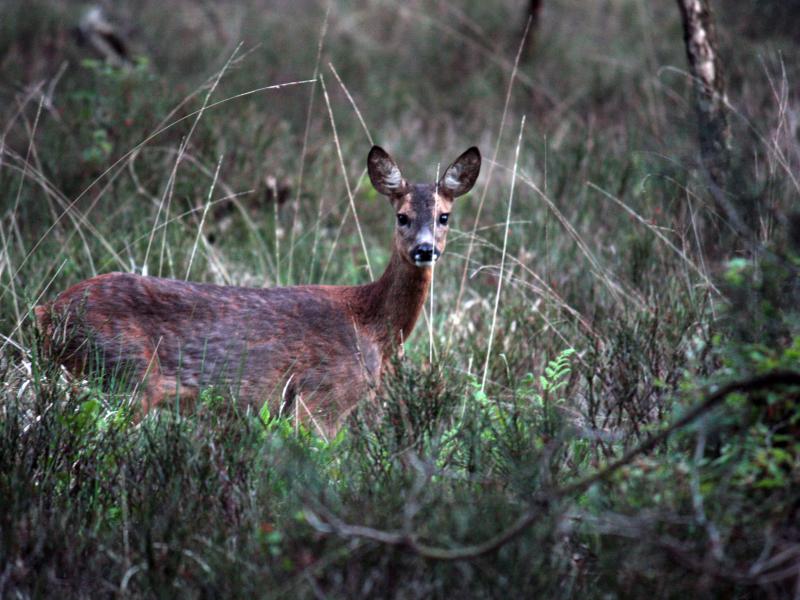
Abstract: Agrivoltaic systems involve the dual use of land for agriculture and solar energy generation and, as such, in the context of renewable energy expansion can reduce the competition for land between photovoltaic expansion and food production. So far, however, there is a lack of knowledge on the effects of this combined land use type upon biodiversity. To gain initial insights, we used camera traps to investigate the habitat use of a small-scale, high-mounted agrivoltaic trial plot and an adjacent control plot (identical land use, but without solar panels) by large and medium-sized mammals over a one-year period in northern Germany. Our results showed no major differences between the plots regarding the number of recorded mammal species and their activity. Visit frequency and use intensity of the individual species hardly differed between the agrivoltaic plot and the control plot. However, the species found were common and adaptable (e.g. brown hare, roe deer, red fox, raccoon) and it remains unclear how other, less adaptable species might react. In addition, it is questionable whether these results can be transferred to larger agrivoltaic facilities or other systems (e.g. tracking modules) and further research on this question will be needed.